FAQ about crowns
Why do dentists push for crowns?
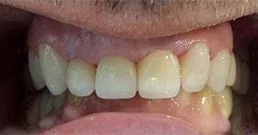
Sometimes patients indeed feel their dentist is pushing for a crown when a simpler filling might suffice. While most dentists have your best interests at heart, there are a few reasons why crowns might be recommended more often than you’d expect:
Extensive damage: When a tooth has significant decay, a large filling, or a crack, a crown provides more strength and protection than a filling.
Root canal treatment: After a root canal, a crown is often necessary to protect the weakened tooth structure.
Improved aesthetics: Crowns can correct misshapen or discoloured teeth, improving your smile.
Preventing further damage: In some cases, a crown can prevent a weakened tooth from breaking or fracturing further.
Conservative vs. aggressive approach: Some dentists have a more aggressive approach to treatment, while others prefer to be more conservative. This can influence their recommendations for crowns.
Desire for quick fixes: Patients sometimes prefer a “quick fix” solution, even if it’s more expensive. This can lead to dentists recommending crowns instead of exploring other options. While most dentists have your best interests in mind, it’s essential to be an informed patient and advocate for yourself.
Are dental crowns a good idea?
Dental crowns are a good idea for a variety of reasons, offering both restorative and aesthetic benefits. Protection and Strength: Crowns are like “caps” that cover and protect teeth that have been significantly weakened by decay, large fillings, or cracks. They provide structural support, preventing further damage and potential tooth loss. Appearance: Crowns can be used to correct the shape, size, or colour of teeth, improving the overall appearance of your smile. They can effectively cover stains, chips, or other imperfections that can’t be addressed with fillings or other treatments.
Restore chewing ability: Crowns can restore the function of a damaged tooth, allowing you to chew properly and comfortably. They can help improve your bite if a tooth is misaligned or causing problems with your jaw. Versatility: Crowns can be used as anchors for dental bridges, replacing missing teeth and restoring your smile. Crowns are often used to cover dental implants, providing a natural-looking and functional replacement for missing teeth.
How long will a dental crown last – are they permanent?
The life span of the crowns is 10-15 years, depending on how well ones takes care of them. Crowns are made from strong materials like porcelain or metal, designed to withstand the forces of biting and chewing.
Which dental crowns last the longest?
The longest lifespan is the Gold Crowns. It lasts 15-20+ years, sometimes even a lifetime with excellent care. The Zirconia Crowns last 15-20+ years. The Porcelain-Fused-to-Metal (PFM) Crowns and All-Porcelain Crowns last 5-15 years.
Are dental crowns painful?
Getting a dental crown is usually not painful, depending on the individual there may be a slight discomfort. The procedure is performed under local anaesthesia, so you may not feel pain, but you may feel pressure or vibration during the process, which may be unpleasant (but not painful) for some. After the anesthesia wears off, you may experience mild sensitivity to hot or cold temperatures for a few days.





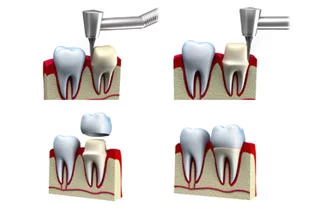 Dental crowns represent a type of denture which replaces the natural crown of teeth. The natural crown of a tooth is the part of a tooth above the