





Dental bonding is often described as a “simple cosmetic fix.” And in many cases, it is. But simplicity does not mean insignificance. When used for the right indication, dental bonding can quietly solve aesthetic problems that bother patients for years—sometimes in a single appointment. This article is written for patients who want clear answers, without sales pressure, and without unrealistic promises. The explanations are clinically accurate, dentist-approved, yet easy to follow. No fluff. Just facts, context, and practical advice.
In this article, you can read more about the following topics: 
- What exactly is dental bonding?
- How long does a tooth bonding last?
- How much does dental bonding cost?
- What are the disadvantages of teeth bonding?
- Can you eat normally with bonded teeth?
- Do dentists recommend bonding?
- What are the alternatives to bonding?
- Is tooth bonding painful?
What exactly is dental bonding?
Dental bonding is a minimally invasive cosmetic dental procedure where a tooth-colored composite resin is applied directly to the surface of a tooth, shaped by hand, and hardened with a curing light. The material bonds chemically and mechanically to enamel and dentin. Hence the name. Unlike veneers or dental crowns, dental bonding usually requires little to no removal of natural tooth structure. In many cases, anesthesia isn’t even necessary.
Common indications include:
- Small chips or cracks
- Gaps between teeth (diastema)
- Uneven or worn incisal edges
- Minor shape or size discrepancies
- Localised discolouration that does not respond to whitening
Bonding works best when the correction is subtle. It is not meant to redesign a smile entirely. Think refinement, not reconstruction.
How long does a tooth bonding last?
On average, dental bonding lasts between 3 and 7 years. Sometimes longer. Sometimes shorter. Longevity depends on several factors, and patients deserve to know them.
Key variables include:
- Bite forces and occlusion
- Presence of bruxism or clenching
- Oral hygiene habits
- Diet (frequent staining of foods or hard objects)
- The size and location of the bonded area
Bonding on a front tooth edge will not behave the same way as bonding on a low-stress lateral surface. This is normal. Composite is durable, but it is not indestructible.
How much does dental bonding cost?
Cost varies globally, but dental bonding is consistently among the most affordable cosmetic dental procedures. Internationally, patients can expect a general range of:
- 100–400 EUR per tooth in many regions
- Higher fees for complex shaping or multiple surfaces
The lower cost reflects both material choice and chair time. Bonding is efficient; no lab fees, temporary restorations and multiple visits. However, lower cost should not be confused with lower standards. Precision matters. Artistic skill matters. Composite bonding is technique-sensitive. 
What are the disadvantages of teeth bonding?
Dental bonding has limitations, and acknowledging them builds trust.
- Composite stains more easily than ceramic
- It is less resistant to chipping than veneers or crowns
- Longevity is shorter compared to indirect restorations
- Not ideal for patients with heavy bite forces
Bonding is a compromise by design. A smart one, when chosen intentionally. It is often best viewed as a conservative first step rather than a final destination.
Can you eat normally with bonded teeth?
Yes, with reasonable care. Patients can eat normally after dental bonding, but certain habits increase the risk of premature wear or fracture.
Advise caution with:
- Biting directly into very hard foods
- Opening packaging with teeth
- Ice chewing
- Nail biting
These recommendations are not restrictive. They are realistic. Bonded teeth should be treated with the same respect as natural enamel—because that is what they are bonded to.
Do dentists recommend bonding?
Yes. For the right patient. Dentists commonly recommend dental bonding when: 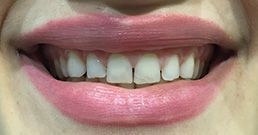
- The aesthetic issue is minor to moderate
- The patient values tooth preservation
- A reversible or interim solution is preferred
- Budget or time constraints are present
Bonding is not a shortcut. It is a conservative option. Many clinicians prefer it precisely because it keeps future treatment pathways open.
What are the alternatives to bonding?

Dental bonding exists within a broader treatment spectrum.
- Teeth whitening: for color issues without structural problems
- Porcelain veneers: superior durability and stain resistance
- Dental crowns: for structurally compromised teeth
- Orthodontic treatment: when alignment is the root issue
Each alternative solves a different problem. Choosing bonding over another option should be a deliberate clinical decision, not an automatic one.
Is tooth bonding painful?
In most cases, no. Dental bonding is typically painless and does not require anesthesia. There is minimal enamel preparation, if any. Sensitivity afterward is uncommon and usually temporary.
For anxious patients, this alone can make bonding an appealing entry point into cosmetic dentistry.
Frequently Asked Questions about dental bonding
Is dental bonding reversible?
In many cases, yes. Because minimal enamel is removed, bonding can often be modified or removed without permanent changes.
Does bonding look natural?
When done properly, composite bonding blends seamlessly with natural enamel in color, translucency, and texture.
Can bonding fix crooked teeth?
Only visually, and only for minor misalignment. It does not move teeth or correct bite issues.
Will bonded teeth stain over time?
Yes, composite can stain, especially with coffee, tea, red wine, or smoking. Regular polishing helps maintain appearance.
How long does the procedure take?
Typically 30–60 minutes per tooth, often completed in a single visit.
Is bonding suitable for back teeth?
Sometimes, but durability is lower in high-load areas. Dentists often prefer other materials for molars.
Can bonding be repaired if it chips?
Yes. One advantage of bonding is that it can usually be repaired without replacing the entire restoration.
Is dental bonding a long-term solution?
It can be, but it is best considered a medium-term option with the flexibility to evolve into other treatments later.
Dental bonding is not about perfection. It is about proportion, balance, and thoughtful restraint. When chosen for the right reasons, it remains one of the most patient-friendly tools in modern cosmetic dentistry.
