





Tooth operation – two simple words that often trigger anxiety, questions, and a long list of worries. Pain, recovery time, costs, results. Patients feel it. Dentists navigate it daily. This article brings clinical clarity, practical guidance, and real-world perspective into one structured overview. This guide is written for informed patients who want clear, usable knowledge about tooth operation procedures, recovery, and aftercare.
We offer support in our article for this: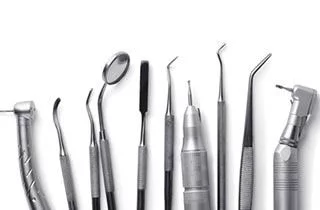
What is a tooth surgery called?
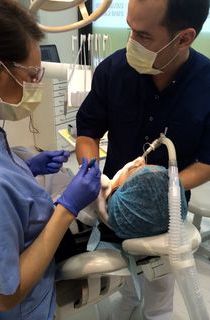
The term tooth operation is a general expression patients often use for a wide range of dental surgical procedures. In professional dentistry, these interventions are referred to more precisely as:
• Tooth extraction • Surgical extraction • Apicoectomy (root-end surgery) • Dental implant surgery • Periodontal surgery • Wisdom tooth surgery
Each of these falls under the umbrella of oral surgery, yet they differ significantly in indication, invasiveness, technical complexity, and recovery time. From a patient’s perspective, everything feels like “tooth surgery.” From a clinical standpoint, terminology matters because it determines treatment planning, anaesthesia choice, and postoperative protocol.
What is the most common tooth surgery?
By volume alone, tooth extraction remains the most common tooth operation worldwide. This includes:
Simple extractions of severely decayed teeth • Impacted wisdom teeth removal • Extractions due to periodontal instability
Wisdom tooth surgery deserves special attention. It is both extremely frequent and often more complex than patients expect. Impacted third molars can cause the following:
Chronic infections • Resorption of neighbouring teeth • Cyst formation • Persistent facial pain
Dental implant surgery follows closely behind in frequency. As conservative dentistry expands, fewer teeth are extracted preventively—but when extraction is unavoidable, implant placement has become the gold standard for restoration.
Is teeth surgery very painful?

This is the question patients ask first. And understandably so.
Modern tooth operation procedures are rarely painful during the intervention itself. Local anaesthetics, conscious sedation, and digital surgical planning have transformed patient experience. What patients feel during surgery is usually:
Pressure • Vibration • Sound
…but not sharp pain.
Postoperative (after tooth operation) discomfort is a different matter. Pain after tooth surgery depends on:
The invasiveness of the procedure • The patient’s inflammatory response • Pre-existing infection • Compliance with aftercare instructions
Clinically speaking, unmanaged postoperative pain is rarely a surgical failure. It is far more often linked to inadequate aftercare, smoking, premature rinsing, or poor hygiene.
What is the most painful tooth surgery?
Among all tooth operation types, the most discomfort is typically reported after:
Surgical wisdom tooth removal • Complex apicoectomy • Full-mouth extractions • Advanced bone grafting procedures
The reason is not the tooth itself. It is the combination of soft tissue trauma, bone manipulation, nerve proximity, and inflammatory load.
A particularly sensitive category is lower impacted wisdom tooth surgery, where:
Bone must often be removed • The inferior alveolar nerve may be at risk • Postoperative swelling peaks aggressively
However, “most painful” does not mean “unbearable.” With proper analgesic protocols, cold therapy, and patient compliance, pain remains controllable in the vast majority of cases.

How long is the tooth surgery recovery?
Recovery after a tooth operation is not a single timeline. It is a biological process influenced by age, systemic health, surgical trauma, and behaviour.
Average recovery benchmarks:
Simple extraction: 3–5 days • Surgical extraction: 7–10 days • Implant surgery: 7–14 days soft tissue, 3–6 months bone integration • Apicoectomy: 5–10 days
Importantly, patients often confuse “symptom-free” with “fully healed.” The absence of pain does not equal complete bone regeneration. This distinction matters when planning:
Prosthetic loading • Orthodontic movement • Secondary surgical phases
Common and normal symptoms:
- Swelling (peaks at 48–72 hours)
- Mild to moderate pain
- Limited mouth opening
- Bruising
- Minor bleeding or oozing
Symptoms that require clinical attention:
- Severe, increasing pain after day 3
- Foul taste or odour from the socket
- Persistent fever
- Progressive facial asymmetry
Dry socket (alveolitis) remains one of the most feared postoperative complications. In reality, it is largely behavioural in origin—smoking, early rinsing, and mechanical disturbance of the clot being the main triggers.
Guidelines for after the dental intervention
This is where outcomes are truly decided. The best surgery can fail with poor aftercare. And a routine tooth operation can deliver outstanding results with disciplined postoperative behaviour.
First 24 hours after tooth operation:
- Do not rinse aggressively
- Avoid hot foods and drinks
- No smoking or alcohol
- Apply cold compress externally
- Maintain gentle oral hygiene
around the surgical site
From day 2 to day 7:
- Careful brushing with a soft toothbrush
- Chlorhexidine-based mouth rinse if prescribed
- Gradual return to solid foods
- No heavy physical exertion
Medication compliance:
- Antibiotics only when clinically indicated
- NSAIDs as first-line pain control
- Avoid unapproved self-medication
Nutrition matters more than patients think:
- Protein supports tissue repair
- Vitamin C improves collagen synthesis
- Hydration prevents secondary infection
Why proper preparation matters before any tooth operation?

Successful tooth surgery doesn’t start in the operating chair. It starts days earlier.
Accurate diagnostics (CBCT when indicated) • Systemic health screening • Medication review • Smoking status assessment
Patients with diabetes, autoimmune disease, or bisphosphonate therapy require tailored surgical planning. Skipping this step doesn’t save time—it creates complications.
The real value of a properly managed tooth operation
From an ethical and clinical standpoint, a tooth operation is not a technical act alone. It is a biological, psychological, and behavioural process intersecting at one critical point.
When done right, it delivers:
Long-term oral stability • Pain elimination • Functional restoration • Aesthetic improvement • Patient trust
When rushed, misunderstood, or poorly managed, it delivers the opposite.
A tooth operation is rarely “just a small procedure.” In the patient’s mind, it is a major life event. Clinically, it is a finely balanced interplay between precision, biology, and behaviour. Respecting all three is what separates routine surgery from truly excellent care. Read dental implants before and after experiences from our patients and get to know our dental clinics. Get yourself a quote in Hungary or learn about the Dentures cost.
